Drainage Problems Texas Yards Should Not Ignore
Drainage Problems Texas Yards Should Not Ignore
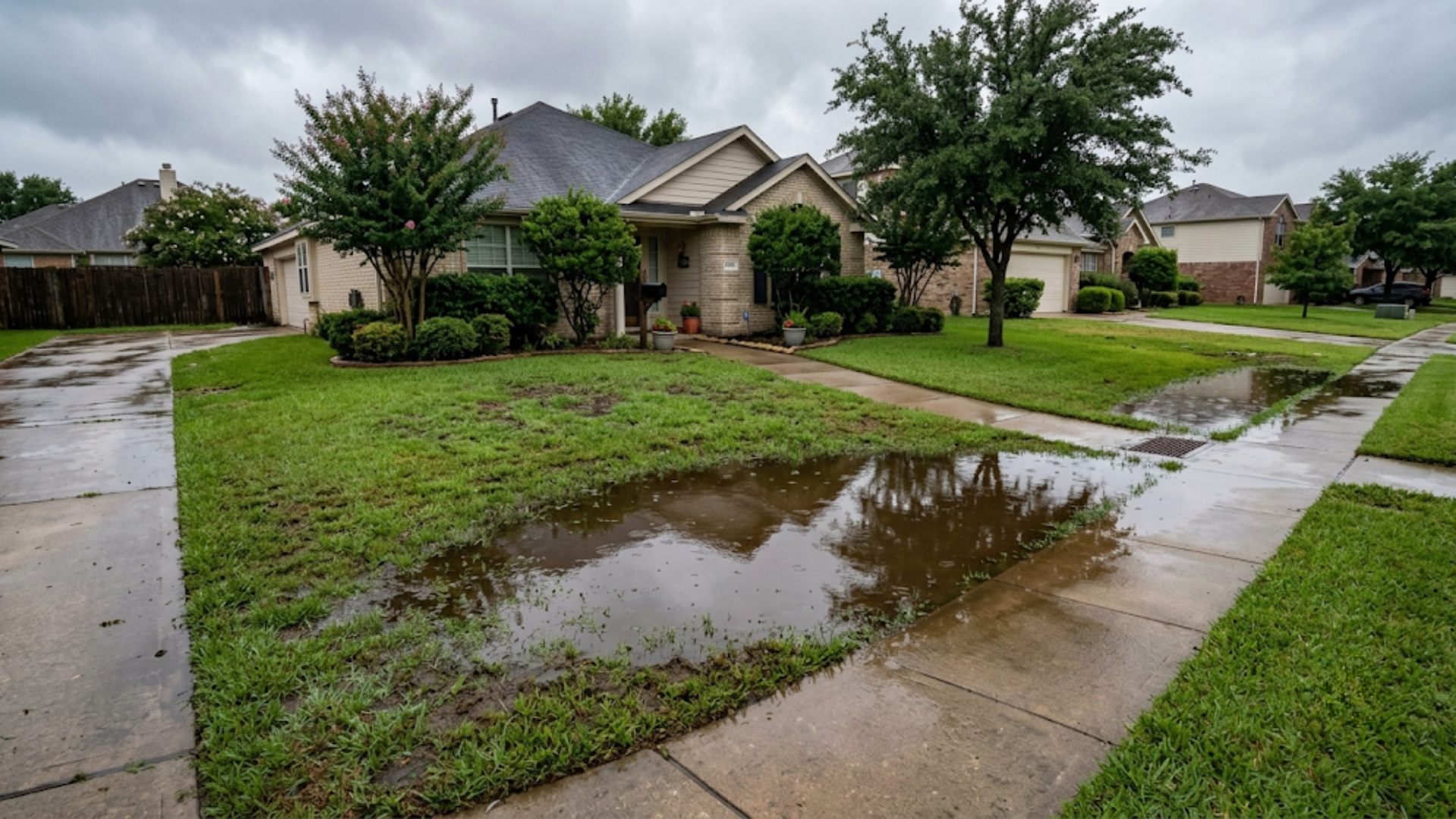
Water should move away from your home, not settle beside it. When it starts pooling in the yard, washing away soil, or collecting near the foundation, it is usually a sign that something needs attention.
For homeowners in Van Alstyne, TX, drainage issues can show up fast after a heavy rain. One storm may leave soft spots in the lawn, while repeated runoff can create bigger problems over time.
The good news is that most yard drainage problems are easier to manage when they are caught early. Understanding the warning signs can help you reduce flooding risk, protect your landscaping, and avoid costly foundation damage.
Why Standing Water Is More Than a Lawn Problem
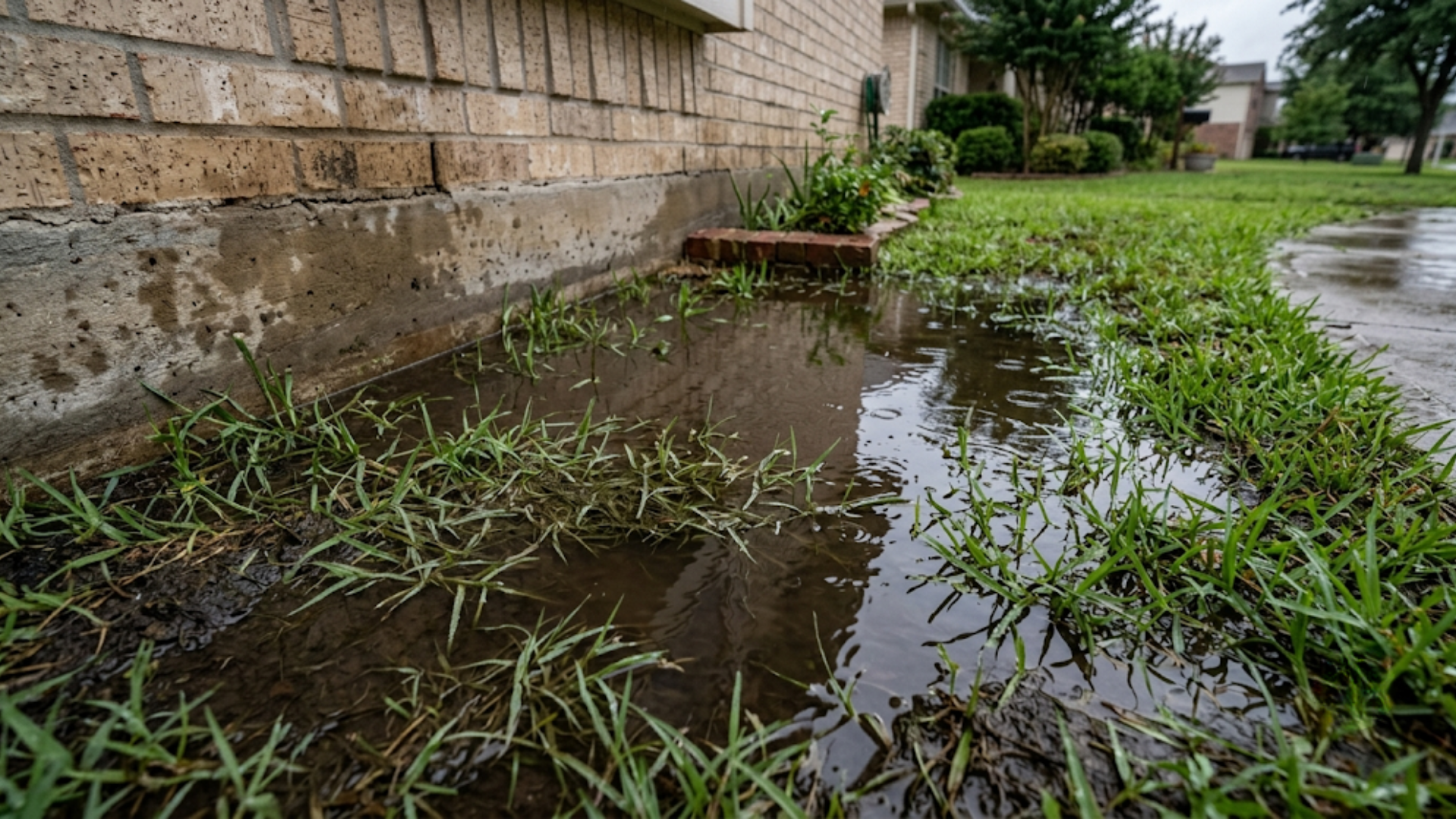
Standing water may look like a temporary nuisance, but it often points to a deeper drainage issue. If water stays in the same area for hours or days after rain, the soil may not be draining properly.
In Texas yards, this can happen because of compacted soil, low spots, poor grading, or runoff from nearby surfaces. When water cannot move away, it can weaken grass roots, attract pests, and make parts of the yard hard to use.
The bigger concern is where that water travels next. If it drains toward your house instead of away from it, the risk of foundation damage increases. Homeowners dealing with repeat pooling may want to look into
drainage solutions in Van Alstyne before the issue grows.
What Causes Drainage Problems in Texas Yards?
Drainage problems Texas yards experience are often caused by a mix of soil, slope, and water flow. Some issues are easy to spot, while others build slowly until the lawn or foundation starts showing damage.
Heavy Soil Holds Water Longer
Many North Texas properties have soil that holds moisture after heavy rain. When the ground becomes saturated, water has nowhere to go.
This can create soft, muddy patches that return after every storm. Over time, those areas may thin out the lawn and make mowing difficult.
Poor Grading Sends Water the Wrong Way
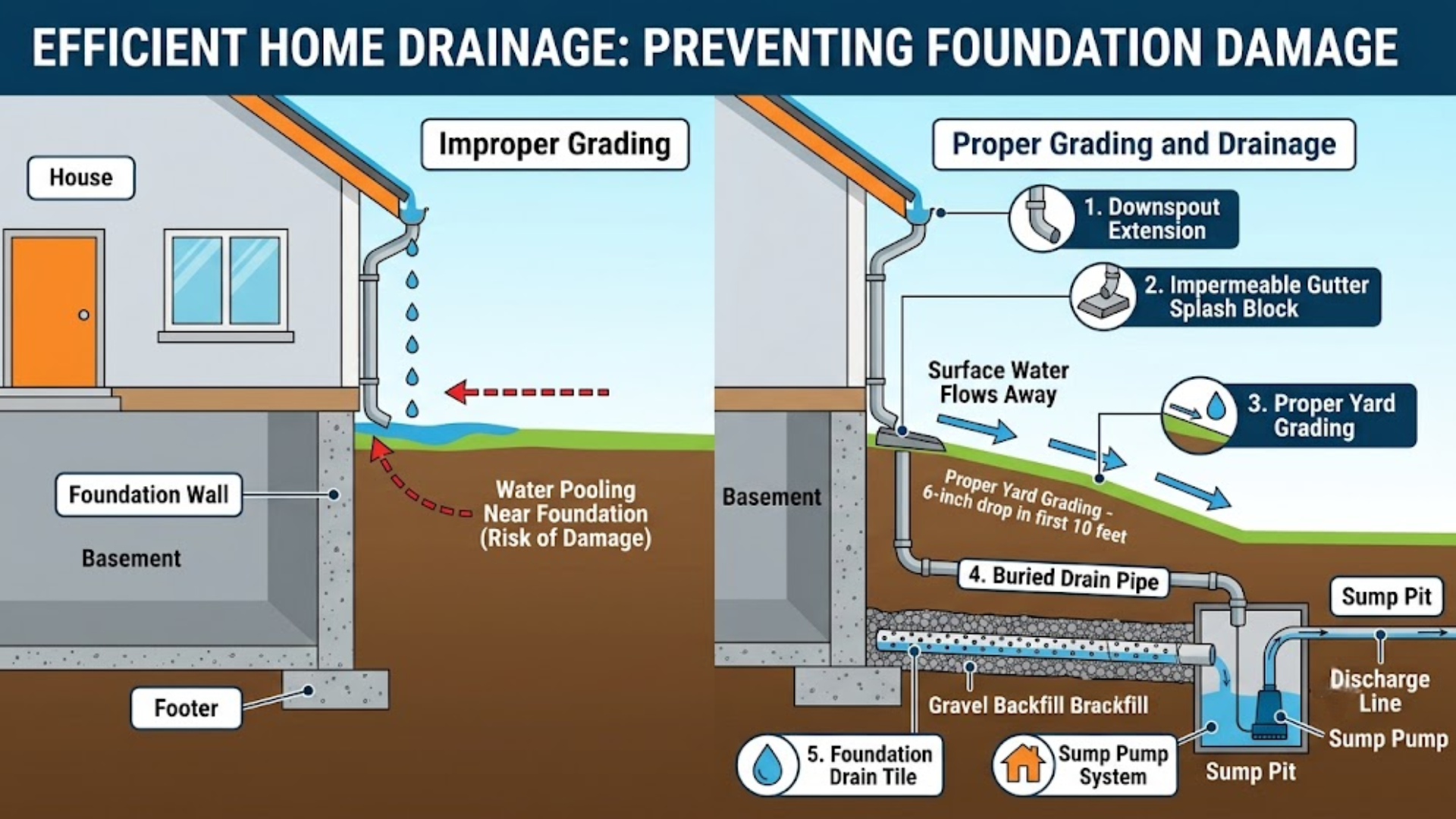
A yard should be graded so water moves away from the home. If the slope points toward the house, sidewalk, driveway, or patio, runoff can collect where it should not.
Even a small grading issue can create repeat flooding risk. It may also cause water to sit near the foundation, which is one of the biggest warning signs homeowners should not ignore.
Downspouts May Release Too Much Water in One Spot
Roof runoff can dump a large amount of water into a small area. If downspouts discharge too close to the foundation or into a low section of the yard, the soil can become oversaturated.
This often leads to erosion, standing water, or visible channels in the lawn. Redirecting that water is usually a key part of fixing the problem.
What Damage Can Poor Drainage Cause?
Drainage problems can affect more than the lawn. They can change the way water moves across the entire property, and that can create several expensive issues if ignored.
Foundation Damage Can Start Slowly
Water near the foundation is one of the most serious signs of poor drainage. When soil repeatedly expands and contracts due to excess moisture, it can place stress on the foundation.
Cracks, sticking doors, uneven floors, and gaps around windows may not happen overnight. But poor drainage can contribute to the conditions that make those problems more likely.
Erosion Can Wash Away Soil and Mulch
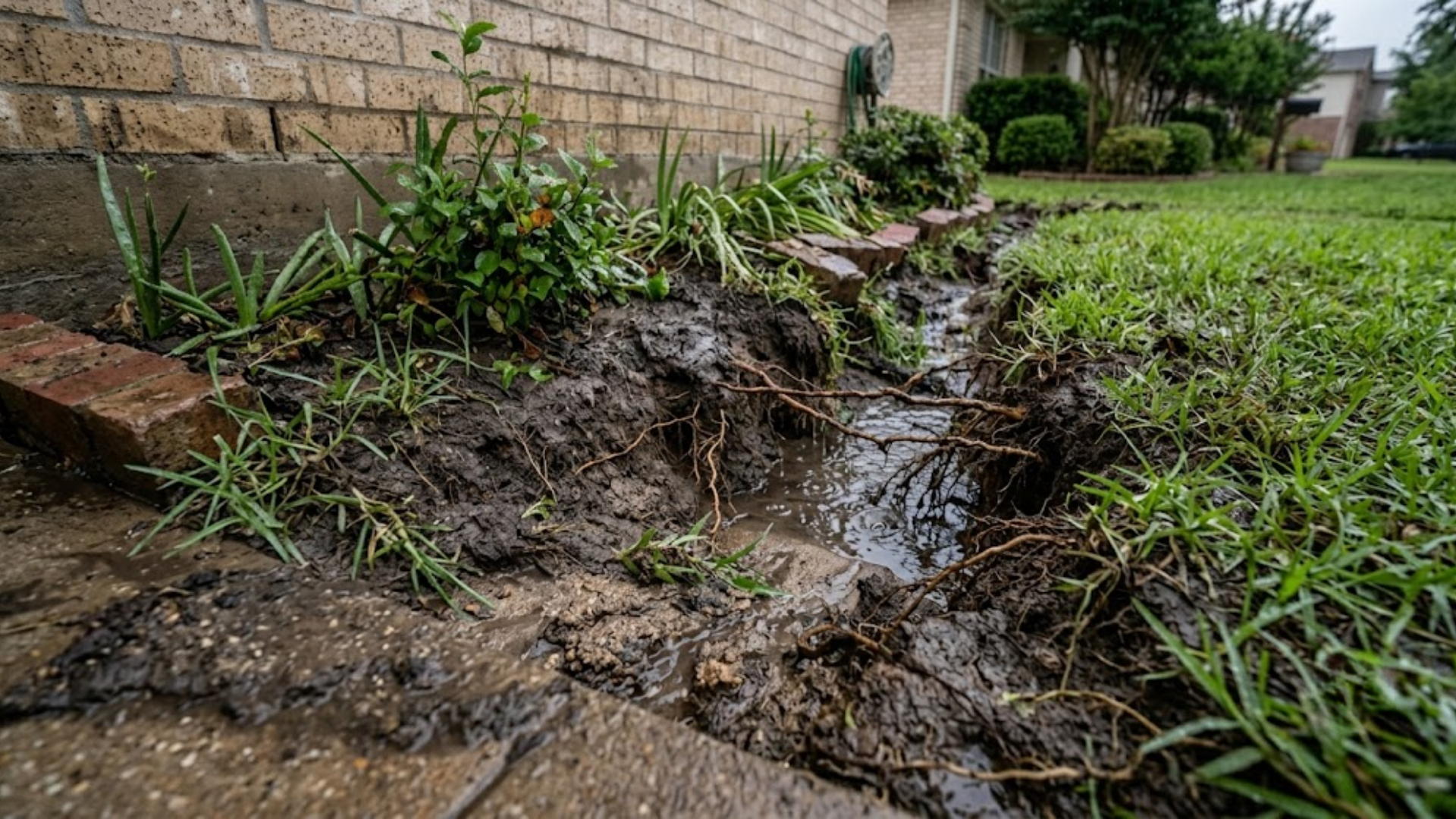
Erosion can start as a small trail where water runs after a storm. Over time, that trail may become deeper and wider.
This can wash away topsoil, expose roots, damage flower beds, and make slopes harder to maintain. For yards with visible washout,
drainage and erosion control in Van Alstyne can help manage runoff before it removes more soil.
Landscaping Can Become Harder to Maintain
Poor drainage can make healthy landscaping difficult. Some plants may drown in wet soil, while other areas may dry out too quickly because runoff never soaks in evenly.
Flower beds near rooflines, patios, and driveways are especially vulnerable. If beds are being rebuilt or reshaped,
flower bed installation in Van Alstyne can be planned with drainage in mind.
What Drainage Solutions Can Help Protect Your Yard?
The right drainage solution depends on where water is coming from, where it is collecting, and how the yard is shaped. A good fix should guide water away from problem areas without creating new issues somewhere else.
Redirect Water Before It Collects
The first goal is often to move water away from the foundation, low spots, and high-traffic areas. This may involve improving the path water follows across the property.
In some yards, the solution may include extensions, drains, swales, or grading adjustments. The best approach depends on the slope, soil, and amount of runoff after rain.
Reduce Runoff Around Irrigation Systems
Water problems are not always caused by storms. Sprinkler systems that run too often, spray unevenly, or oversaturate certain areas can also contribute to soggy lawns.
A properly adjusted irrigation system can help reduce wasted water and improve lawn health. If watering patterns are part of the problem,
automatic sprinkler systems in Van Alstyne may be worth reviewing as part of the drainage plan.
Use Targeted Watering Where It Makes Sense
Some yards need better drainage and smarter watering at the same time. Drip irrigation can help deliver water directly to plant roots without soaking large sections of the yard.
This can be useful around beds, shrubs, and landscape areas that do not need broad sprinkler coverage. For homeowners updating planting areas,
drip irrigation setup in Van Alstyne can help support healthier soil moisture control.
When Should You Call for a Drainage Inspection?
You should call for an inspection when the same problem keeps showing up after rain. One puddle may not be a major concern, but repeat pooling, mud, erosion, and water near the foundation should be taken seriously.
A drainage inspection can help identify the source of the issue. It can also show whether the problem is caused by grading, runoff, irrigation, soil compaction, or a combination of factors.
Watch for these signs:
- Water pooling near the home after rain
- Soil washing away from beds or slopes
- Muddy areas that do not dry quickly
- Grass thinning in soggy sections
- Runoff crossing walkways, patios, or driveways
- Water stains or soil movement near the foundation
The sooner these issues are addressed, the easier they are to manage. Waiting can allow erosion to spread and foundation-related concerns to become more serious.
Why Drainage Matters for Van Alstyne Homeowners
Van Alstyne homeowners know that Texas weather can shift quickly from dry conditions to heavy rain. When hard rain hits compacted or poorly graded yards, water can move fast and collect in the wrong places. Addressing drainage problems in Van Alstyne, TX helps protect the lawn, landscaping, and foundation from damage that often starts small but becomes harder to fix over time.
Call Bell Mowing for a Yard Drainage Inspection
If you are seeing standing water, erosion, or signs of foundation damage risk, call Bell Mowing at 214-544-7499. Our team can inspect your yard, identify the drainage issue, and recommend a practical solution for your Van Alstyne property.
Frequently Asked Questions
What are the most common signs of drainage problems in a yard?
Common signs include standing water, soggy grass, mud, soil washout, and water collecting near the foundation. You may also notice mulch moving after rain or small channels forming where runoff travels.
Can poor yard drainage cause foundation damage?
Yes, poor drainage can increase the risk of foundation damage. When water collects near the home, the soil around the foundation can expand, contract, and shift over time.
How do I know if erosion is caused by drainage?
Erosion is often drainage-related when soil washes away in the same direction after rain. If you see exposed roots, thin lawn areas, or carved runoff paths, water flow is likely part of the problem.
Are drainage problems worse after heavy Texas rain?
They can be. Heavy rain can overwhelm low spots, compacted soil, and poorly graded areas, which makes existing drainage issues more noticeable.
Should I fix drainage before adding new landscaping?
In most cases, yes. New grass, plants, mulch, and flower beds can be damaged if water flow is not addressed first. Fixing drainage before landscaping helps protect the investment.
Drainage problems Texas yards face should not be brushed off as normal puddles. When water keeps collecting, washing out soil, or moving toward your home, it is time to take a closer look. For help in Van Alstyne, TX, contact Bell Mowing at 214-544-7499 and schedule a drainage inspection before small problems become bigger repairs.